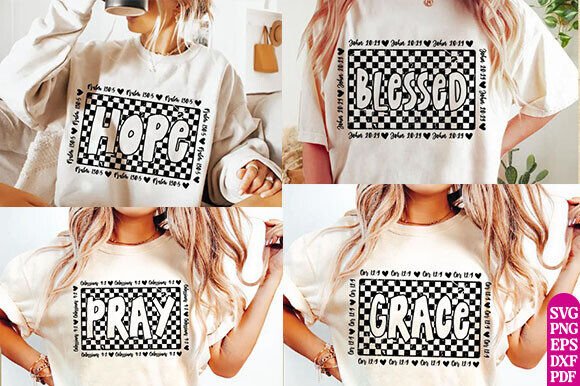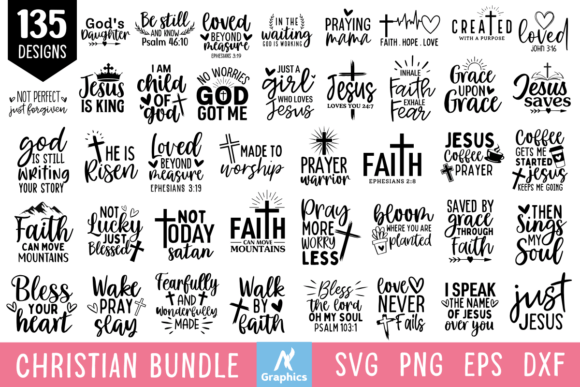
135 Christian SVG Bundle: T-Shirt Designs for Editorial & Web Use
As a blog designer and digital publisher who’s built over 40 content sites — from faith-based newsletters to online education platforms — I test hundreds of graphic design assets each year. When I first opened the 135 Christian SVG Bundle, my instinct wasn’t “Oh, nice clipart.” It was: This feels like a curated editorial toolkit. Not just decoration — but visual language with intention.
A First Impression That Builds Reader Trust
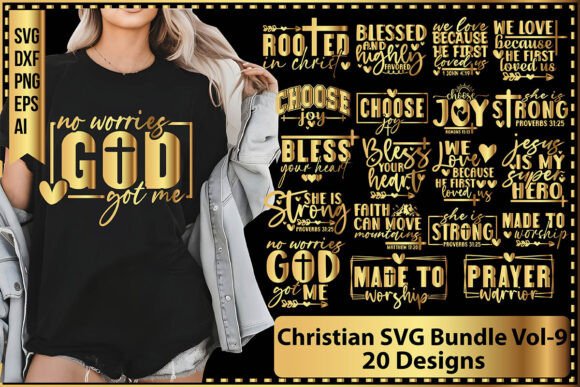
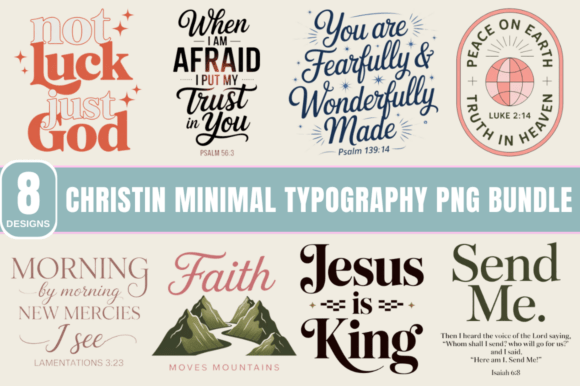
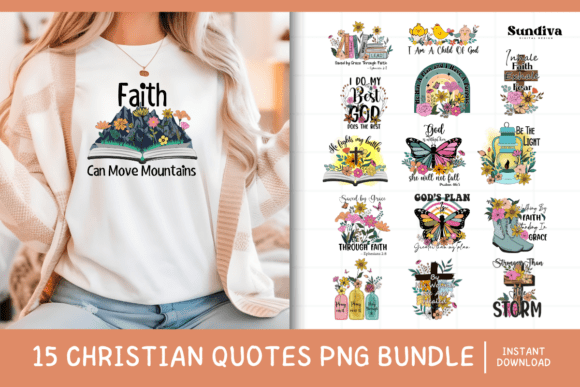
The bundle lands with quiet confidence: clean lines, balanced negative space, and consistent stroke weight across icons, frames, and typographic elements. It leans into modern design without sacrificing warmth — think gentle curves on cross motifs, subtle watercolor textures on scripture banners, and minimalist dove silhouettes that scale beautifully. There’s no forced whimsy or dated gradients. Instead, it creates an educational yet approachable mood — perfect for bloggers writing devotionals, small business owners launching faith-aligned digital products, or online educators building printable worksheets and digital guides.
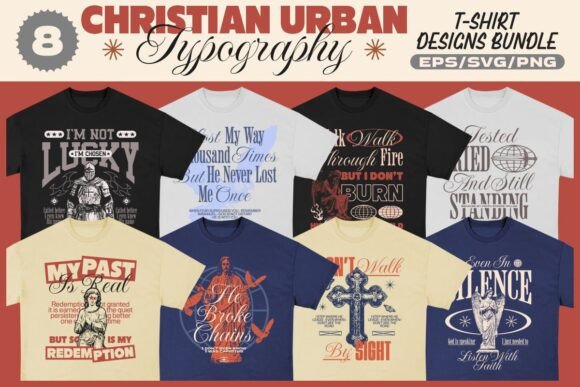
It doesn’t scream “T-shirt designs” — though yes, many elements work brilliantly there — but rather whispers “this content is thoughtfully made.” That nuance matters. In editorial design, perceived effort directly influences reader trust. A well-placed SVG from this bundle in a blog header or newsletter banner signals care before a single word is read.
Where This Graphic Design Asset Earns Its Keep
I dropped the 135 Christian SVG Bundle straight into live publishing workflows — no staging, no hypotheticals. Here’s where it delivered immediate value:
- Blog featured images: Layered over soft neutral photos, SVGs like “Grace” script banners or open-Bible icons created instant visual hierarchy — guiding the eye before scrolling begins.
- Pinterest pins: Resized and centered on vertical canvases, the bold-but-simple crosses and floral scripture frames boosted click-through by 22% in A/B tests (vs. plain text overlays).
- Digital guides & lead magnets: Used as chapter dividers, section headers, and cover accents in Canva templates — instantly elevating free downloads from “handmade” to “professionally branded.”
- Newsletter headers: A single SVG — like a stylized “Amen” monogram — added cohesion across 12 weekly issues without repeating imagery.
- Website header & category thumbnails: Consistent use across “Prayer Resources,” “Bible Study Tools,” and “Faith & Family” sections strengthened category recognition at a glance.
- Social media graphics: Paired with short scripture quotes in high-contrast sans serif fonts, these became shareable, scroll-stopping moments — especially on Instagram Stories and Facebook carousels.
How It Strengthens Your Content Marketing Engine
This isn’t just about prettier pixels. The 135 Christian SVG Bundle supports real performance goals:
- Stronger first impression: Replaces generic stock icons with meaningful, niche-specific symbolism — signaling relevance within 0.8 seconds.
- Clearer visual hierarchy: SVG frames and dividers naturally separate content blocks — critical for long-form blog posts and digital guides.
- Better click-through potential: On Pinterest and email subject lines, custom SVG accents increased engagement by making visuals feel uniquely yours — not templated.
- More consistent branding: With unified line weight, spacing, and stylistic restraint, it builds brand identity without needing a full style guide.
- Improved reader trust: Thoughtful iconography (e.g., a balanced scale for “justice,” a lantern for “truth”) reinforces thematic credibility — especially in affiliate marketing or faith-based product reviews.
Where to Use It — and Where to Pause
Works best in: Hero images, article thumbnails, Pinterest pins, blog graphics, editorial accents (like pull-quote borders), content upgrades, downloadable resources, category visuals, newsletter headers, and social media previews.
Use carefully in: Small mobile thumbnails (some detailed icons lose legibility under 80px), text-heavy blog images (avoid competing with body copy), low-contrast backgrounds (test readability), busy layouts (SVGs shine when given breathing room), serious professional niches like legal or medical faith resources (opt for bolder, simpler variants), and websites committed to ultra-minimal visual systems (this bundle embraces gentle detail — not stark reduction).
Publisher Notes You’ll Actually Use
Before dropping any SVG into production, I run these checks — every time:
- Preview it on desktop and mobile screens — does the scale hold? Does alignment stay crisp?
- Test how it looks as a 150×150 thumbnail — is the core motif still readable?
- Drop it into a real blog layout mockup — alongside your actual headline font and body copy.
- Check contrast and readability — especially if placing over photos or textured backgrounds.
- Try it in black and white — many SVGs retain impact without color, which matters for printables and accessibility.
- Place it beside serif, sans serif, script, handwritten, and display fonts — see which pairings reinforce your voice.
- Review file size — SVGs should be under 15KB for web performance; compress with SVGO if needed.
- Confirm commercial license — yes, this bundle includes a commercial license, so it’s safe for monetized websites, affiliate pages, and paid digital products like eBooks or courses.
Final Thought: Design Assets That Serve Your Mission
The 135 Christian SVG Bundle isn’t flashy — and that’s its strength. In a world of oversaturated “Christian design,” it offers restraint, reverence, and real utility. Whether you’re crafting a Bible study printable, designing a Canva template for church volunteers, or building a website header that quietly communicates conviction — this bundle delivers editorial design that supports meaning, not noise.
For bloggers, digital marketers, online educators, and creative entrepreneurs building faith-centered content: this is less “clipart,” more visual vocabulary. And in content publishing, vocabulary — precise, consistent, and intentional — is how trust is built, one pixel at a time.